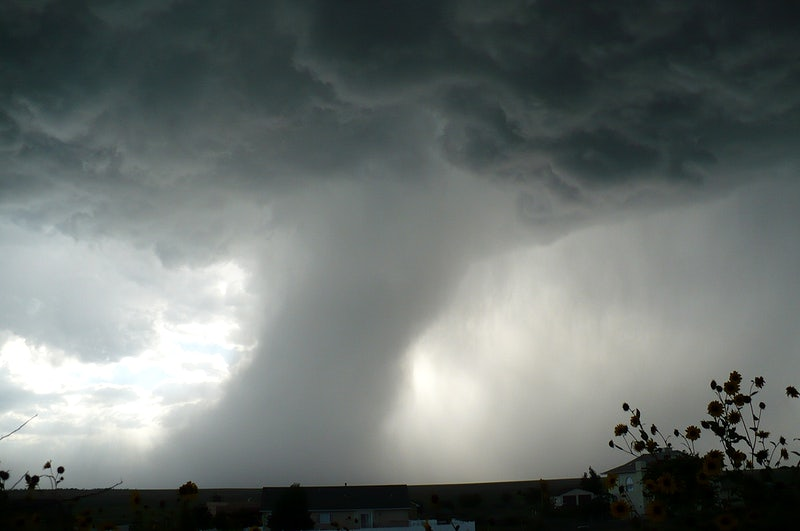
Every year, homeowners across Northern Illinois prepare their homes for severe weather, but many forget that their trees also need attention before storm season arrives. Strong winds, heavy rain, lightning, hail, and even tornadoes can cause significant damage to trees, leading to fallen limbs, uprooted trunks, and costly property damage. Understanding How to Protect Your Trees can help you reduce these risks while keeping your landscape healthy and safe.
Illinois storm season typically brings unpredictable weather, especially during the spring and summer months. Trees that appear healthy can quickly become hazards if they have weak branches, hidden decay, or overcrowded canopies. Taking preventative measures before severe weather arrives is one of the best ways to protect your home, vehicles, and family.
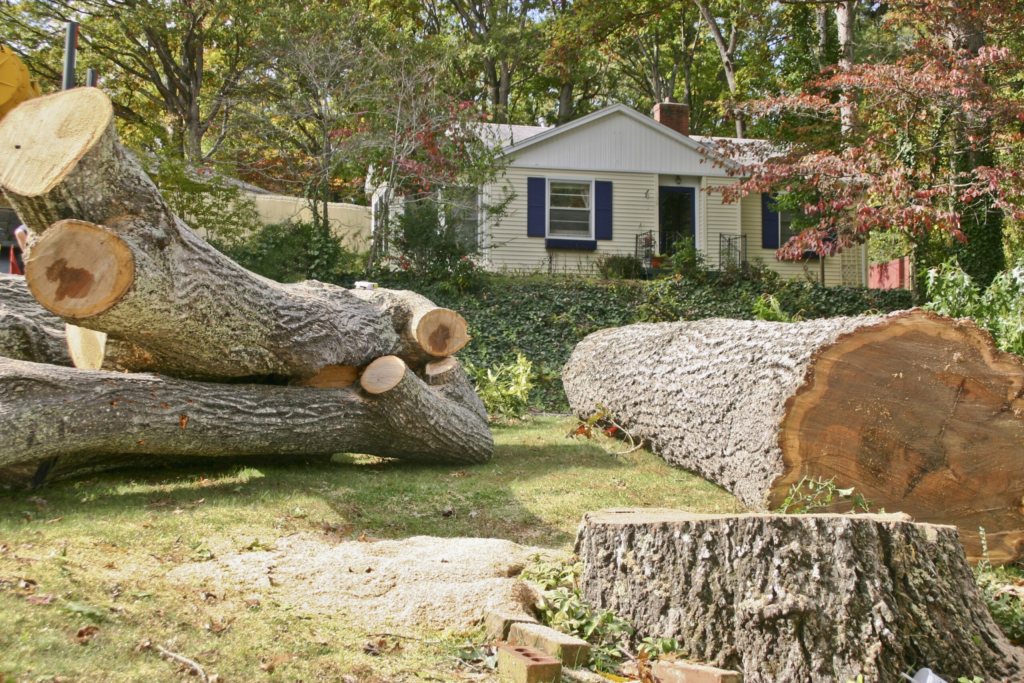
Illinois Storm Season: How to Protect Your Trees
One of the most effective ways to prepare your trees for storm season is through regular pruning. Removing dead, damaged, or diseased branches reduces the likelihood that they will break off during high winds. Proper pruning also improves airflow through the canopy, allowing wind to pass through more easily instead of pushing against dense branches. According to the “International Society of Arboriculture, routine pruning helps improve tree structure and significantly reduces the risk of storm damage.
Inspecting your trees regularly is another important step. Look for cracks in the trunk, hanging limbs, mushrooms growing near the base, or branches that have lost their leaves while the rest of the tree remains healthy. These can all be signs of internal decay or structural weakness. Trees showing these symptoms should be evaluated by a professional before severe weather arrives.
Root health is equally important. Construction projects, soil compaction, and erosion can weaken a tree’s root system without obvious signs above ground. Trees with compromised roots are much more likely to uproot during heavy winds. Maintaining healthy soil and avoiding unnecessary damage around the base of your trees helps improve stability.
Young trees can also benefit from proper staking if they have not yet developed strong root systems. However, staking should only be temporary, as leaving supports in place for too long can actually weaken the tree over time.
After a storm passes, it’s important to inspect your trees again. Broken limbs, split trunks, hanging branches, and leaning trees should be addressed immediately. Even if damage appears minor, weakened trees may continue to deteriorate over time if repairs are not made promptly.
Preparing your trees before severe weather arrives is one of the smartest investments you can make as a property owner. Healthy, well-maintained trees are far more likely to withstand strong winds and heavy storms than neglected ones.
Powered by WebLynx Media