Emergency Storm Response: ArborTuff Answers The Call
Severe weather can strike Northern Illinois with little warning. High winds, heavy rain, lightning, ice storms, and tornado conditions all have the potential to cause major damage to homes, businesses, and landscapes. When trees fall or large branches break unexpectedly, quick action becomes critical. That’s where emergency storm response services play an essential role in protecting both property and public safety.
In areas like Rockford, Roscoe, Machesney Park, and surrounding communities, storms regularly leave behind hazardous conditions. Trees weakened by age, disease, or previous weather damage are especially vulnerable during severe storms. According to the National Weather Service, fallen trees and limbs are one of the most common causes of property damage during major weather events. Having access to reliable emergency storm response services can significantly reduce the risk of further destruction after a storm hits.
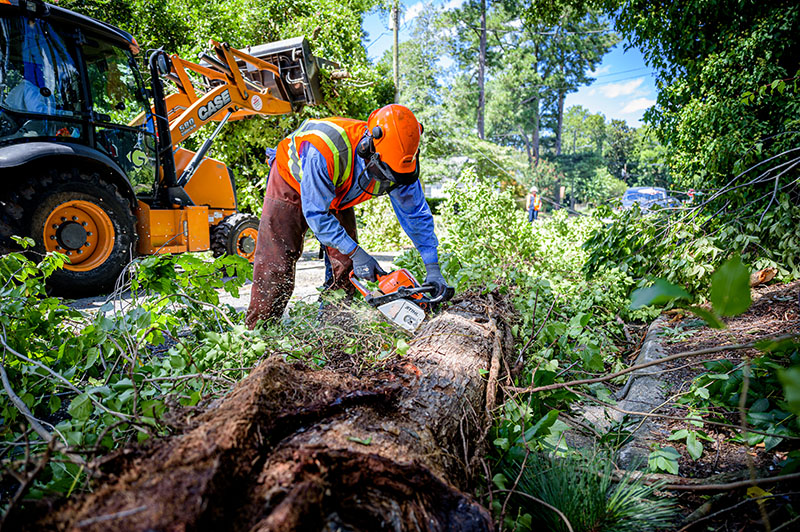
Emergency storm response involves much more than simply removing fallen branches. Professional crews assess dangerous situations, stabilize damaged trees, clear blocked driveways or roads, and safely remove trees that threaten homes or power lines. Time is critical in these situations because unstable trees can continue shifting long after the storm has passed.
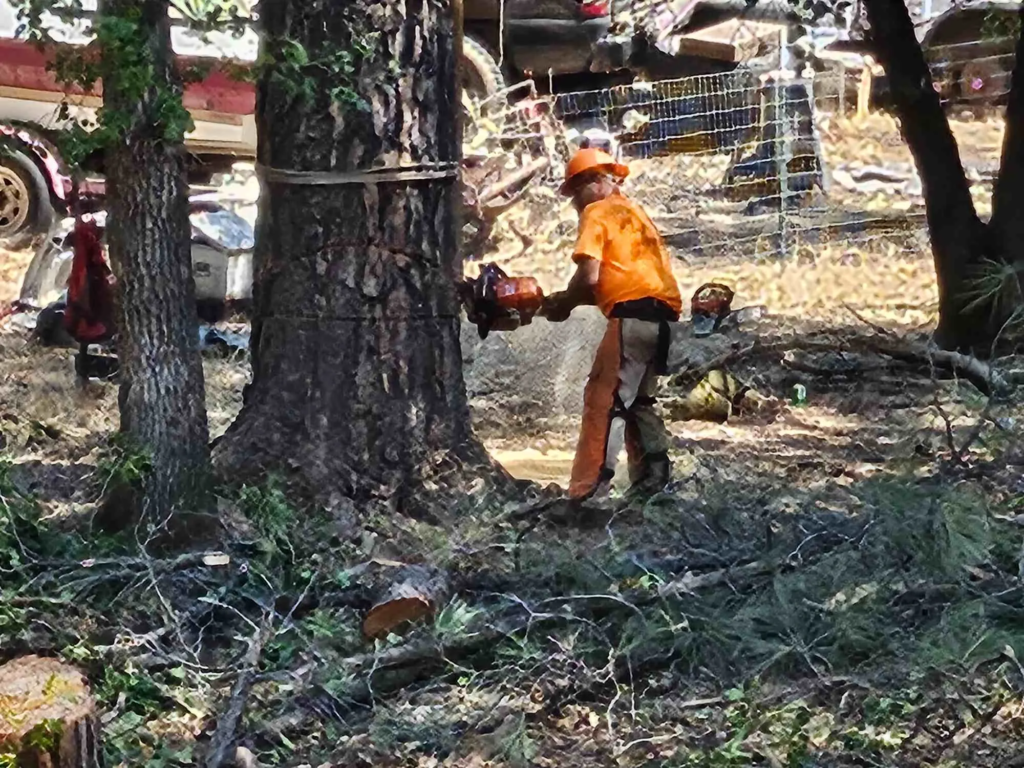
One of the biggest dangers following severe weather is hidden structural damage. A tree may still be standing but have internal cracks or compromised roots that make it unstable. These trees can fail hours or even days later without warning. Emergency storm response professionals are trained to identify these risks and determine whether a tree can be saved or needs immediate removal.
Safety is always the top priority during emergency storm response operations. Attempting to handle storm-damaged trees without proper equipment can be extremely dangerous. Trees under tension, hanging limbs, and partially uprooted trunks can shift suddenly and unpredictably. Professional crews use specialized equipment and controlled cutting techniques to safely manage these hazardous conditions.
Another major concern after storms is access. Fallen trees can block driveways, roads, and entrances to homes or businesses. Quick emergency storm response helps restore accessibility and allows homeowners to begin the cleanup and recovery process sooner. In some cases, clearing debris quickly can also help prevent additional property damage caused by water intrusion or blocked drainage areas.
Storm damage can also impact tree health long after the initial event. Broken limbs and exposed wood create entry points for insects and disease. The International Society of Arboriculture notes that proper pruning and post-storm care are critical for helping damaged trees recover safely. Without professional attention, weakened trees may continue declining over time and become future hazards.
Emergency storm response services are especially important in heavily wooded residential areas. Large mature trees add beauty and shade, but they also carry greater risks during storms. Trees leaning toward homes, garages, or utility lines should always be inspected immediately following severe weather.
Preparation is another important aspect of emergency storm response. Regular tree maintenance can reduce the likelihood of storm-related damage before bad weather even arrives. Removing dead limbs, thinning overcrowded branches, and addressing structural issues early can make trees more resistant to wind and ice accumulation. Preventive care combined with rapid emergency storm response creates the best protection for your property.
Insurance documentation is another reason professional services are valuable after storms. Many homeowners need photographs, damage assessments, and detailed records for insurance claims. Experienced emergency storm response teams can help provide the documentation needed during the recovery process.
Northern Illinois weather is unpredictable, and storm damage can happen at any time of year. Whether it’s summer thunderstorms, winter ice storms, or high winds during seasonal transitions, being prepared matters. Quick and professional emergency storm response helps protect your property, reduce safety risks, and speed up the recovery process after severe weather strikes.
At the end of the day, storms are unavoidable, but the damage they leave behind can often be managed more effectively with the right response. Acting quickly and working with experienced professionals ensures your property is restored safely and efficiently when severe weather causes unexpected tree damage.
Powered by WebLynx Media