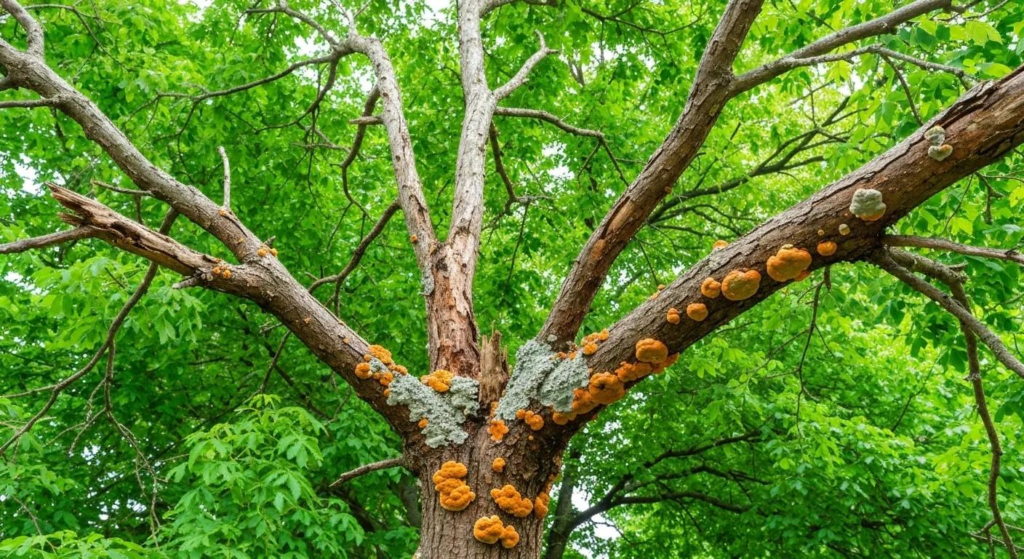
Trees are one of the most valuable assets on any property. They provide shade, improve curb appeal, and contribute to a healthier environment. But like anything living, trees can develop problems over time. The challenge is that many of these issues are not immediately visible. That’s where tree health assessments come in. Regular evaluations help identify potential risks early, allowing homeowners to take action before small problems turn into costly or dangerous situations.
Tree Health Assessments With ArborTuff
Tree health assessments involve a detailed inspection of a tree’s structure, condition, and overall vitality. This includes examining the trunk, branches, leaves, and root system for signs of disease, decay, or stress. According to the International Society of Arboriculture, proper tree care starts with understanding the health of the tree and addressing issues proactively. Without regular assessments, problems can go unnoticed until they become severe.
In Northern Illinois, trees are exposed to a wide range of environmental stressors. Harsh winters, heavy snowfall, strong winds, and fluctuating temperatures can all take a toll on tree health. Events like false spring can cause trees to begin growing too early, only to be damaged by a sudden freeze. Over time, these stress factors weaken trees, making them more vulnerable to disease and structural failure. Tree health assessments help identify these issues before they escalate.
One of the most important benefits of tree health assessments is early detection. Signs such as small cracks in the trunk, minor dead branches, or subtle changes in leaf color may not seem urgent, but they can indicate deeper problems. The University of Illinois Extension notes that early intervention is key to maintaining tree health and preventing long-term damage. Catching these issues early can often save a tree that might otherwise need to be removed.
Another critical aspect of tree health assessments is evaluating structural integrity. Trees that appear healthy on the outside can sometimes be compromised internally. Decay, hollow sections, or weakened root systems can make a tree unstable. This creates a serious safety risk, especially during storms or high winds. Regular assessments help determine whether a tree is structurally sound or if it poses a potential hazard to your home, vehicles, or nearby structures.
Tree health assessments also play a role in preventing pest infestations. Insects are often drawn to stressed or damaged trees. Once pests establish themselves, they can spread to other trees on your property. Identifying early signs of infestation allows for targeted treatment, protecting the rest of your landscape.
Beyond safety and prevention, tree health assessments contribute to better overall tree growth. By identifying areas that need attention, such as overcrowded branches or poor nutrient distribution, professionals can recommend pruning or other maintenance strategies. This helps trees grow stronger, healthier, and more balanced over time.
Another benefit of tree health assessments is improved property value. Healthy, well-maintained trees enhance curb appeal and create a more attractive outdoor space. On the other hand, neglected trees can detract from your property’s appearance and potentially lower its value. Regular assessments ensure your trees remain an asset rather than a liability.
It’s also important to understand that not every tree issue requires removal. Many problems can be addressed through proper care and maintenance. Tree health assessments provide the information needed to make informed decisions, whether that means pruning, treatment, or, in some cases, removal.
Timing is key when it comes to tree health assessments. While they can be performed year-round, scheduling regular inspections, especially after major weather events, can help catch damage early. Waiting until visible signs of decline appear often means the problem has already progressed significantly.
In the end, tree health assessments are about being proactive. They allow you to understand what’s happening with your trees and take the right steps to maintain their health and safety. By investing in regular evaluations, you protect your property, extend the life of your trees, and avoid unexpected issues down the road.
Powered By WebLynx Media