Dead trees can quickly become more than an eyesore. Once a tree dies, its branches and trunk gradually lose strength, increasing the chance of limbs breaking or the entire tree falling. For homeowners in Northern Illinois, scheduling dead tree removal in Machesney Park before a dangerous tree fails can help prevent property damage, injuries, and expensive emergency cleanup.
Machesney Park experiences everything from summer thunderstorms and strong winds to heavy snow and ice during the winter. A healthy tree may be able to withstand these conditions, but a dead or severely declining tree can be much more vulnerable. Taking care of the problem early gives property owners more control over how and when the tree is removed.
Why Dead Tree Removal in Machesney Park Shouldn’t Wait
One of the biggest dangers associated with a dead tree is that its condition will continue to deteriorate. Dead branches become brittle and can break without much warning. As decay progresses through the trunk and root system, the entire tree can eventually become unstable.
A dead tree located near a house, garage, driveway, sidewalk, or neighboring property should be addressed as soon as possible. Even smaller branches can cause significant damage when they fall from height.
Storms make these situations even more dangerous. Strong winds can put tremendous pressure on weakened trunks and branches. Heavy snow and ice can add additional weight to limbs that are already compromised. Scheduling dead tree removal in Machesney Park before severe weather arrives can reduce the chance of a tree becoming an emergency.
There are several signs homeowners can watch for when evaluating a tree. A tree that fails to produce leaves during the growing season may be dead or experiencing serious health problems. Large sections of missing bark, extensive dead branches, cracks in the trunk, fungal growth, or visible decay can also indicate a declining tree.
However, homeowners should avoid assuming that every unhealthy-looking tree needs to come down. Some trees experiencing disease, pest problems, or environmental stress may still be recoverable. A professional evaluation can help determine whether trimming or other care is appropriate or whether dead tree removal in Machesney Park is the safer solution.
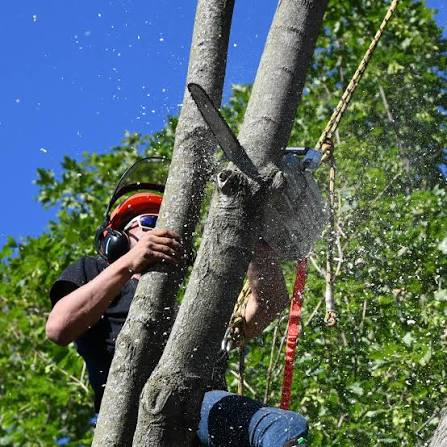
Removing a dead tree is also very different from cutting down a healthy tree. Decayed wood may behave unpredictably during removal. Branches can break unexpectedly, and weakened trunks may not support climbing or traditional removal techniques. Professional tree crews have the equipment and experience necessary to plan the removal while minimizing risks to nearby structures and landscaping.
Another reason to consider dead tree removal in Machesney Park is the impact a dead tree can have on the rest of your property. Certain insects and diseases can take advantage of weakened or dead wood. Removing severely compromised trees and cleaning up the remaining debris can be an important part of maintaining the surrounding landscape.
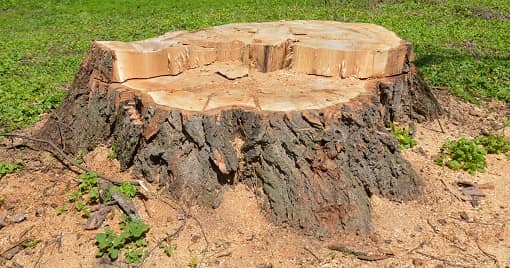
Once the tree has been safely removed, homeowners may also want to consider stump grinding. Leaving an old stump behind can interfere with mowing, create a tripping hazard, and take up valuable landscaping space. Grinding the stump allows the area to be restored for grass, landscaping, or other future uses.
The best time to address a dead tree is before it falls. Waiting can turn a planned tree removal into an emergency project, especially if the tree lands on a roof, vehicle, fence, or driveway.
For Machesney Park property owners, proactive tree care is particularly important because Northern Illinois weather can change quickly. Regularly inspecting the trees around your property can help you spot potential problems before the next major storm arrives.
If you’ve noticed a dead or severely declining tree on your property, professional dead tree removal in Machesney Park can help eliminate the hazard safely. Taking action early protects your home, keeps your landscape looking maintained, and provides peace of mind when severe weather moves through the area.
Powered by WebLynx Media